Landscape Architecture and Land Art for Creative Placemaking
A Landscape Architecture Design Firm’s Role in Identity, Community, and Local Economy
Image above: Conceptual public space reimagination study by Walter Ryu Studio, Atlanta, Georgia.
In April 2026, I was grateful to receive support from the Georgia Council for the Arts to attend the CPC Summit in Memphis. Throughout the summit, I had the opportunity to learn from a diverse group of community leaders, artists, planners, local government representatives, and creative placemaking practitioners working to strengthen communities through culture, art, and public space.
The experience was meaningful to me because art has always been central to my design practice. For me, landscape architecture is not only about planting, grading, paving, or construction details. It is also about memory, identity, beauty, culture, and how people emotionally connect to a place.
At the same time, I do not believe creative placemaking is something entirely new to landscape architecture, design, art, or human settlement. In many ways, placemaking has existed for thousands of years. Since the beginning of cities, villages, temples, gardens, markets, plazas, fountains, and civic spaces, human beings have shaped places through art, engineering, architecture, landscape, ritual, and public life.
In earlier history, the artist was often not only a painter. The artist could also be a sculptor, engineer, architect, garden maker, fountain designer, builder, and urban thinker. One person or a creative group often took on many roles at the same time. Art, construction, landscape, water, structure, and civic life were not always separated into different professions as they are today.
From this perspective, creative placemaking is not a new invention. It is an old human practice being rediscovered in a contemporary way. What feels new today is the opportunity for landscape architecture to reconnect these layers again — art, ecology, public space, community identity, local economy, climate-conscious sustainability, and long-term civic life.
Within this approach, beauty and vision must also meet practical realities: limited budgets, phased implementation, maintenance, and each community's long-term capacity.
At the summit, I began to think more deeply about how creative placemaking can become a stronger part of contemporary landscape architectural practice. It should not be limited to murals, sculptures, signage, wayfinding, or temporary art installations alone.
These elements are important, and they should continue. But creative placemaking can also become a broader design framework — one that supports community identity, local economy, environmental responsibility, and public life over time.
As a landscape architect leading a design firm, I believe we have an opportunity to help communities translate art and culture into physical spaces where people can gather, work, sell, perform, remember, and belong.
Beyond Major Plazas and Town Centers
In the United States, large urban plazas, community town centers, civic spaces, and public-private redevelopment projects are often handled by a limited number of established design firms. These projects usually require large budgets, long schedules, complex teams, and significant public or private investment.
But many communities do not have that kind of budget or time frame. Many towns and cities have older buildings, underused parking lots, vacant storefronts, aging commercial strips, small parks, leftover civic spaces, and streets that need renewal.
These places may not need a completely new master plan. They may need careful remodeling, adaptive reuse, and creative landscape-architectural interventions. A small plaza in front of an existing building, a shaded sidewalk, a pop-up market space, a renovated storefront edge, or a pollinator garden connected to a local art wall can become the beginning of community renewal. This is where landscape architecture can bring a new possibility.
Small, Medium, and Large Scale Creative Placemaking
Creative placemaking should not be limited to only one scale. It can happen at small, medium, and large scales. Each scale has a different budget, timeline, and impact, but all of them can support community identity and the local economy.
At the small scale, creative placemaking may include murals, signage, lighting, planters, seating, pollinator gardens, pavement painting, artist walls, small gathering areas, or pop-up vendor spaces. These projects can be realistic for small community budgets and can create immediate visual impact.
At the medium scale, creative placemaking can support a corridor, neighborhood district, main street, community commercial area, or adaptive reuse project. This may include streetscape improvements, artist studios, outdoor dining, weekend markets, flexible plazas, shaded pedestrian walks, and small rental storefronts.
At this scale, landscape architecture can integrate public space, local businesses, engineering, planting, art, and community programming into a single coordinated vision. At the large scale, creative placemaking can become part of a town center, waterfront, civic plaza, cultural district, public park system, or public-private redevelopment. These projects can shape a city’s image, support tourism, and create long-term economic value. A small project can create visibility.
A medium project can create activity.
A large project can create destination value. Together, these scales can form a practical pathway for community renewal.
Expanding the Meaning of Creative Placemaking
Until recently, the topic and activity of creative placemaking in the landscape architecture field has sometimes felt, to me, somewhat limited. It has often appeared through signage, small-scale wayfinding, murals, or visual identity elements led by certain design firms. These works are valuable and important, but perhaps landscape architects have sometimes approached creative placemaking with caution, even shyness, partly because signage and wayfinding overlap with the graphic design and signage industries.
However, creative placemaking can be much more than signage or surface identity. It can become a broader spatial, cultural, ecological, and economic framework. Landscape architecture can connect public art with planting, shade, stormwater management, circulation, gathering spaces, local business activity, and long-term community use.
From this perspective, creative placemaking should not be seen only as an added visual layer. It can become part of a place's structure — shaping how people move, gather, remember, celebrate, and belong. The goal is not only to make a place look better. The goal is to make a place live better for the community.
Creative Placemaking and the Local Economy
The next possibility of creative placemaking is to connect identity with the local economy. A public space can become more than a beautiful image. It can become a place where local businesses are visible, artists are supported, residents feel a sense of ownership, and visitors understand the community's character. Small rental stores, temporary studios, food kiosks, weekend markets, outdoor galleries, pop-up retail spaces, and flexible plazas can all become part of the design strategy.
These programs can support local artists, small businesses, vendors, and entrepreneurs. This can also be designed within an environmentally sound philosophy. Trees, shade, native plantings, stormwater gardens, permeable paving, pollinator gardens, adaptive reuse, and walkable streets can be integrated into a single creative placemaking framework. A vacant storefront can become a local art studio. A parking lot edge can become a shaded market walk.
A civic lawn can become a flexible event space.
An old building frontage can become a new cultural identity.
A small plaza can become an economic platform.
The Financial Layer of Creative Placemaking
Another important part of this new possibility is the financial layer. Creative placemaking may also need community-responsible financial consultants, nonprofit lenders, socially responsible investors, and development advisors who understand that community-based projects may need a different financial rhythm. Many developers naturally look for quick returns.
But creative placemaking in emerging or underserved communities may require patient capital, lower-cost financing, phased investment, and longer return expectations. This does not mean the project is weak. It means the project is building value slowly through identity, community trust, local business activity, and cultural visibility.
Landscape architects are not financial consultants, but we can help design the physical framework where these financial strategies become real. A plaza can support a weekend market. A renovated building edge can support local studios. A shaded street can support small vendors. A flexible civic space can support festivals, performances, and pop-up commerce. This is where design, finance, policy, and community life can meet.
Learning from Community Arts Leadership
Recently, I had a meaningful conversation with James H. McKissic, President of ArtsBuild, about how creative placemaking programs can help local governments understand, establish, and practice community-based design. Many local governments want to improve public spaces, support artists, and strengthen community identity, but they may not always know where to begin. Programs like this can provide education, structure, and examples so that cities can move from general interest to real implementation.
I also learned from Francesca Vega, MA, MPA, Director of Cultural Districts & Creative Economy at the Louisiana Division of the Arts, Office of Cultural Development, that parks and diverse artist engagement can truly change how a community sees itself. She also shared that “the perspective coming from a landscape architect is always refreshing and has strong potential to expand the practice of creative placemaking.”
Her comments were meaningful to me because they reinforced the value of landscape architecture in creative placemaking. A landscape architect can integrate public art, community identity, environmental design, pedestrian experience, local economy, and long-term public use into a single physical framework.
These connections are essential for turning creative ideas into real places. Creative placemaking is not for one generation alone. A mural walk may attract younger people, but a park, plaza, or community gathering space can serve all generations — children, families, seniors, local workers, artists, and visitors. This is where landscape architecture becomes especially important.
A mural can create a visual moment, but a well-designed public space can create daily life around it. Shade, seating, planting, lighting, paths, small stages, flexible lawns, and safe pedestrian connections allow people of different ages and backgrounds to participate. When diverse artists are engaged, a place can reflect more than one story. It can become a shared landscape of memory, identity, and belonging.
Reconnecting an Old Practice Through Contemporary Landscape Architecture
For a landscape architecture design firm, creative placemaking offers a renewed role. We can help communities see overlooked spaces differently.
We can translate culture into physical space. We can connect artists with public infrastructure. We can help local governments create achievable projects within realistic budgets.
We can help developers understand that identity, public life, sustainability, and local economy can create long-term value. Creative placemaking should not be limited to signs, murals, or sculptures alone. It can begin there, but it should grow into parks, plazas, corridors, pop-up commercial spaces, artist studios, community markets, and public landscapes that support all generations.
This is the renewed possibility of creative placemaking. It is not only beautification.
It is not only public art.
It is not only about economic development.
It is a layered practice in which landscape architecture can connect identity, ecology, public space, local businesses, patient financing, climate-conscious sustainability, and community ownership.
As landscape architects, we can help make local identity visible, local economy active, and community life stronger over time.
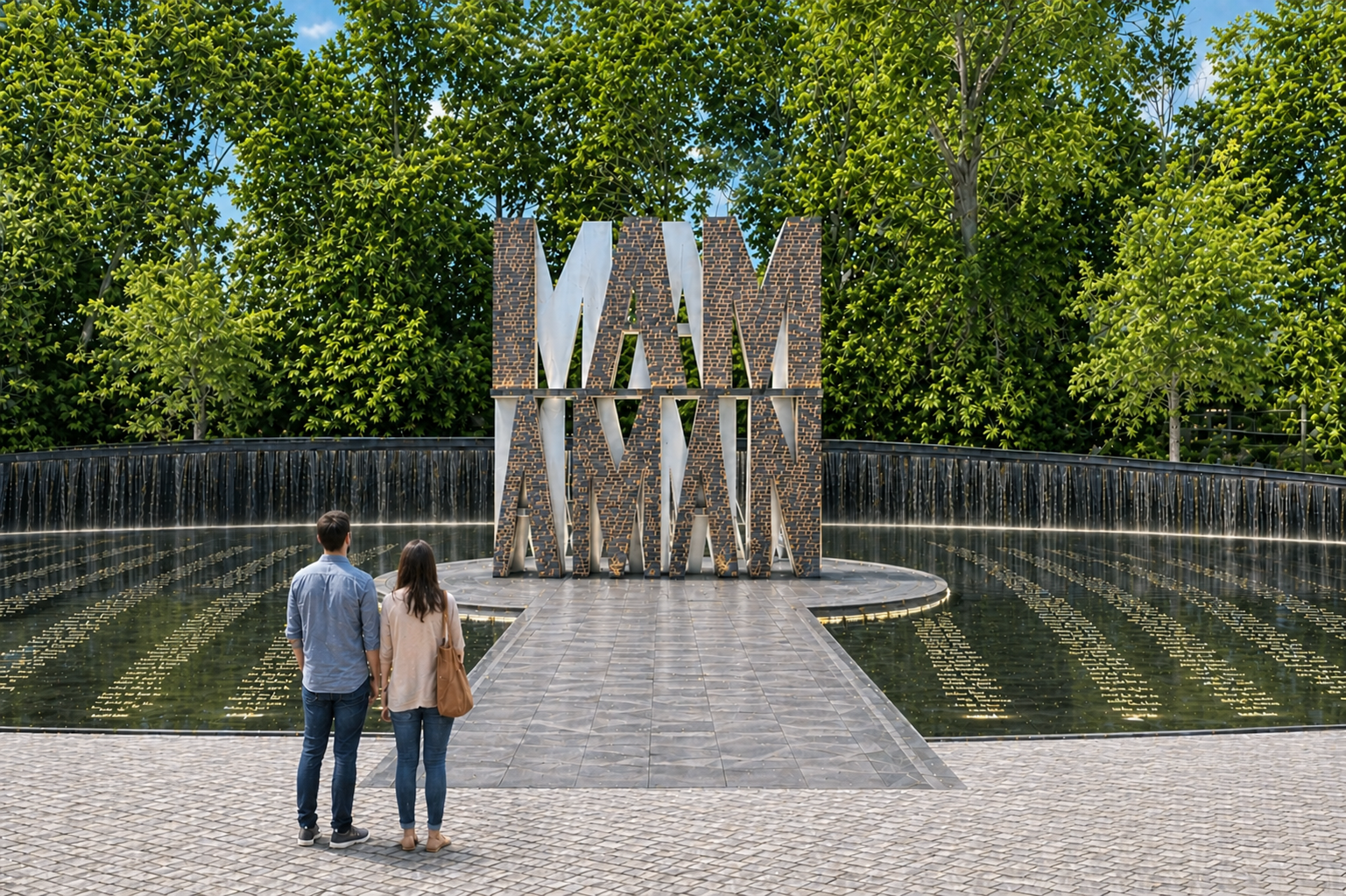
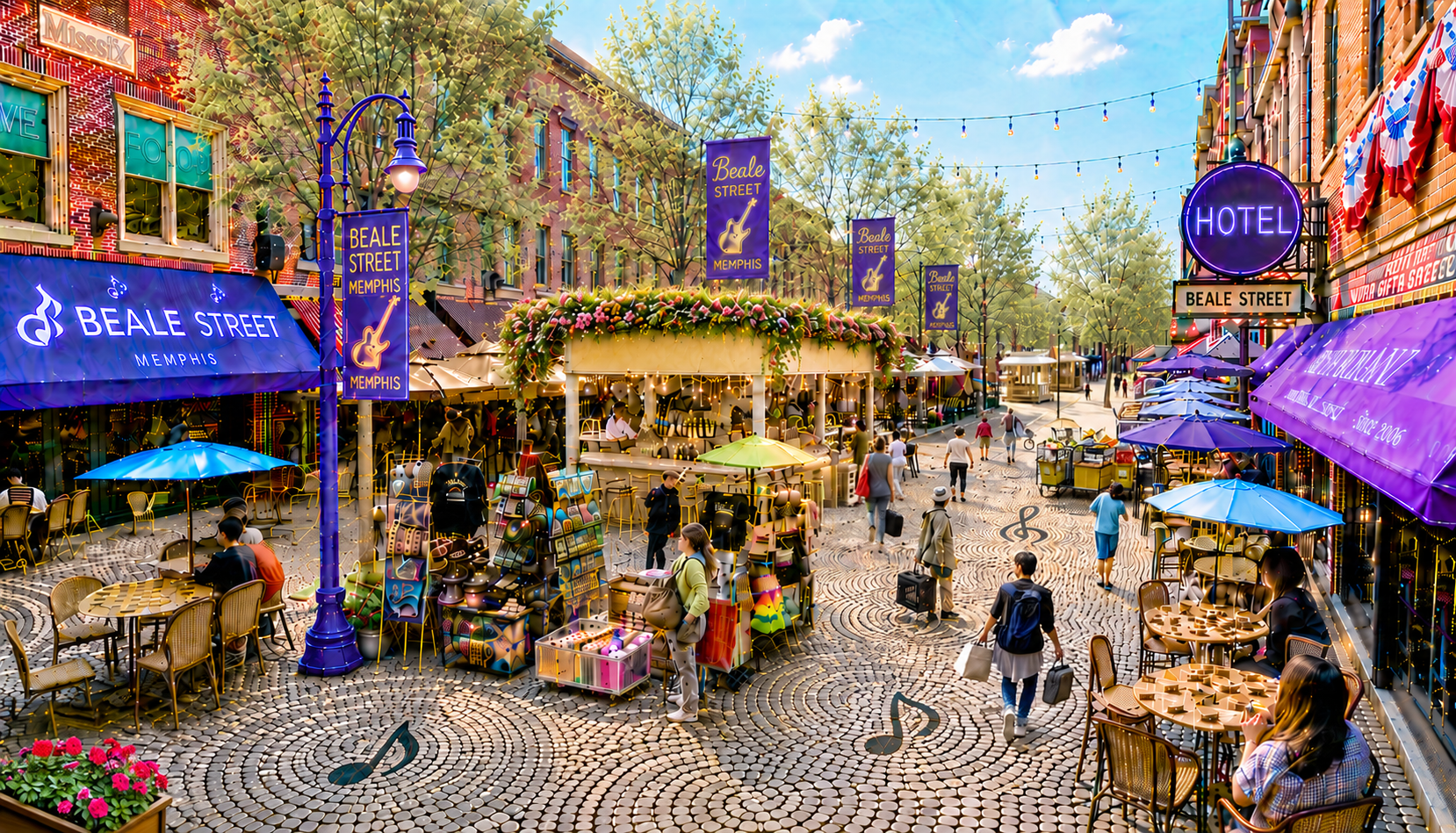
The following three conceptual studies by Walter Ryu Studio are personal design sketches that reimagine selected public spaces. The intent is not to criticize the existing conditions, but to respectfully imagine how these places could be enhanced through landscape architecture and creative placemaking.
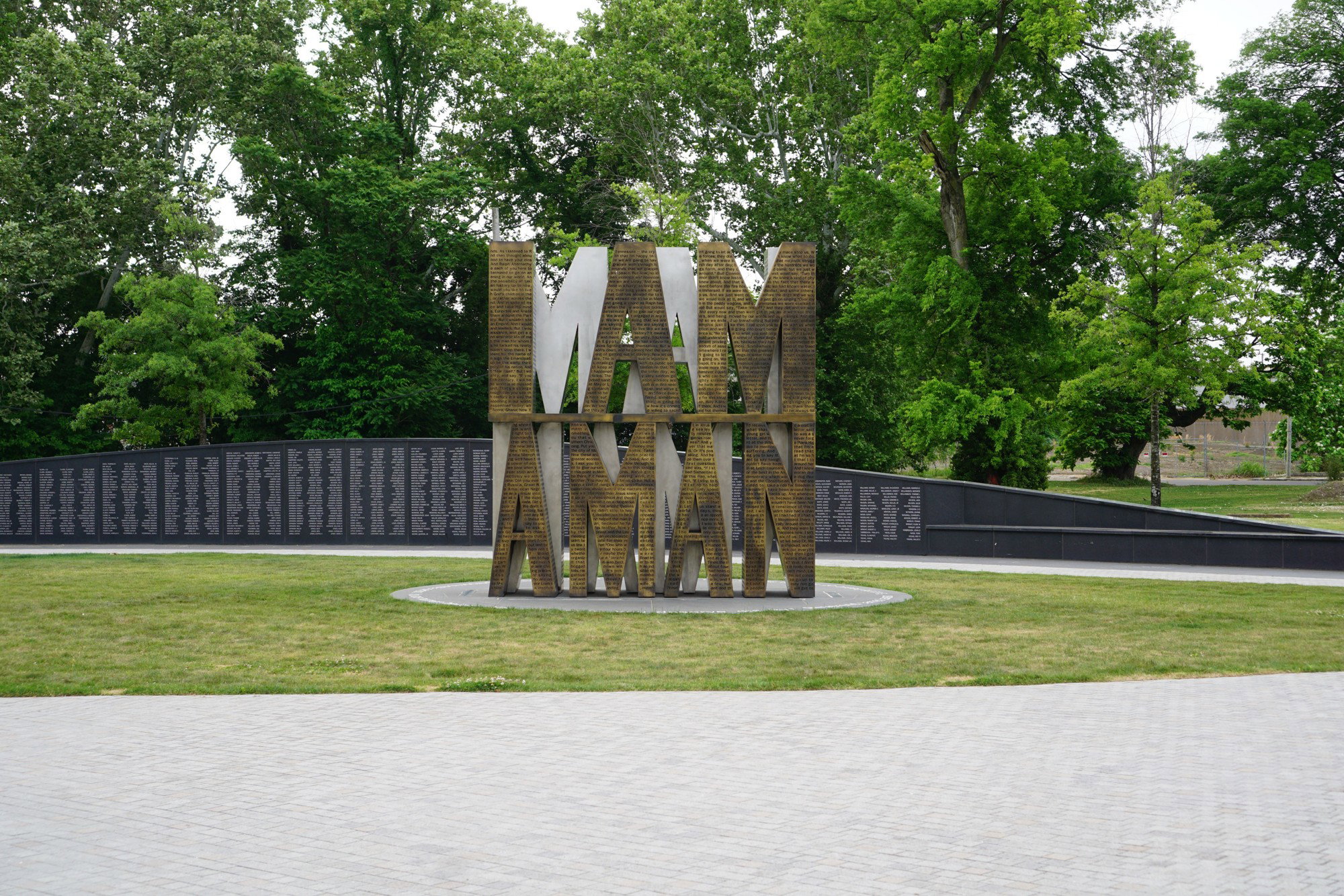
Example 1. Reimagining a Landscape of Dignity and Memory
This conceptual study reflects on how an existing memorial plaza can continue to honor its history while becoming a more shaded, welcoming, and meaningful public landscape for reflection and gathering by future generations.
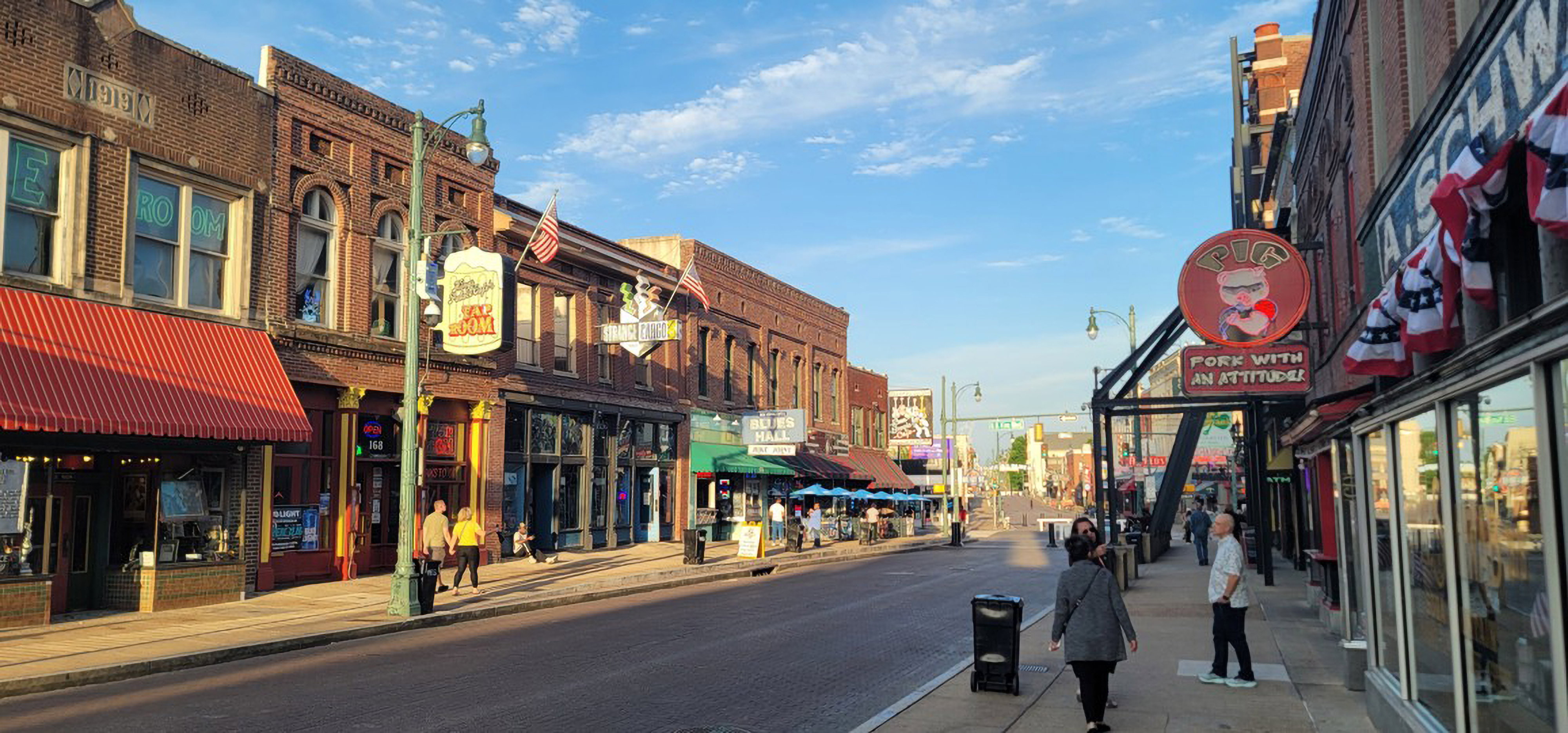
Example 2. Beale Street Reimagination
A design reflection on how music, memory, public art, shade, lighting, and street life can come together to strengthen Beale Street as a living cultural landscape.
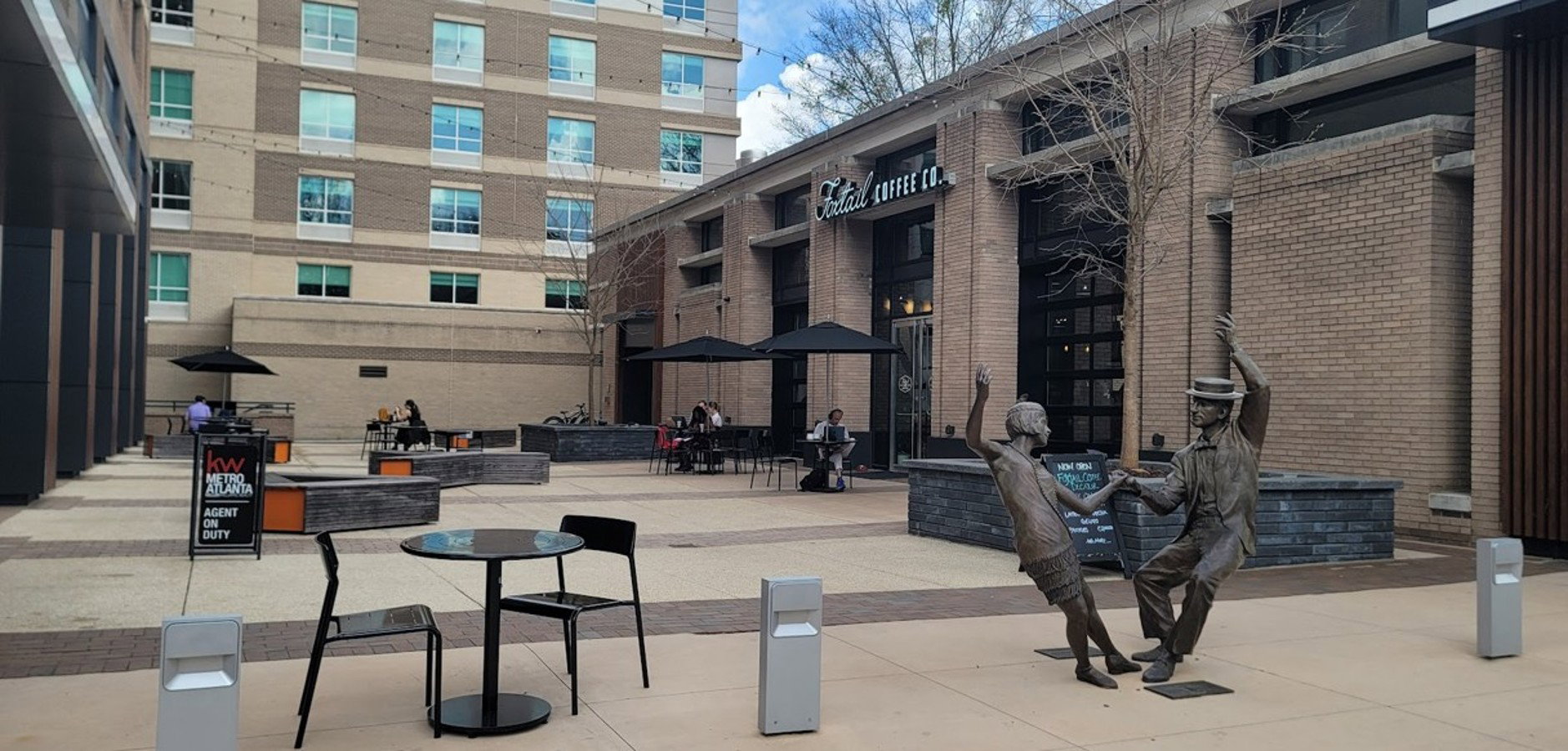
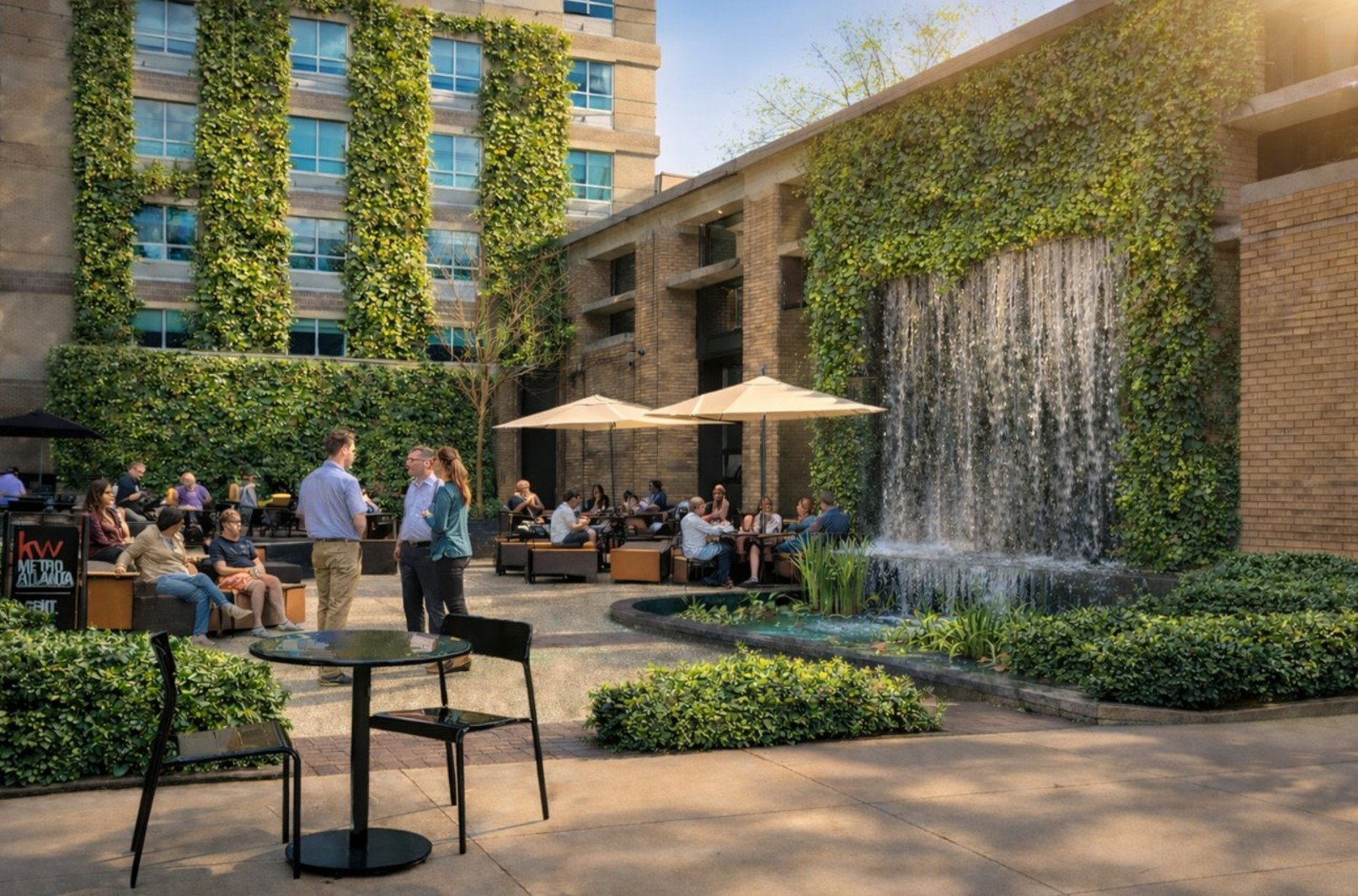
Example 3. Public Urban Courtyard Reimagination
A conceptual landscape study that transforms an underused urban courtyard into a greener, more active public space featuring vertical planting, shaded seating, a water feature, flexible gathering areas, and a stronger pedestrian experience.
 All photographs and concept renderings are © Walter Ryu Studio, LLC. All rights reserved.