THE BEE HOTEL PROMENADE
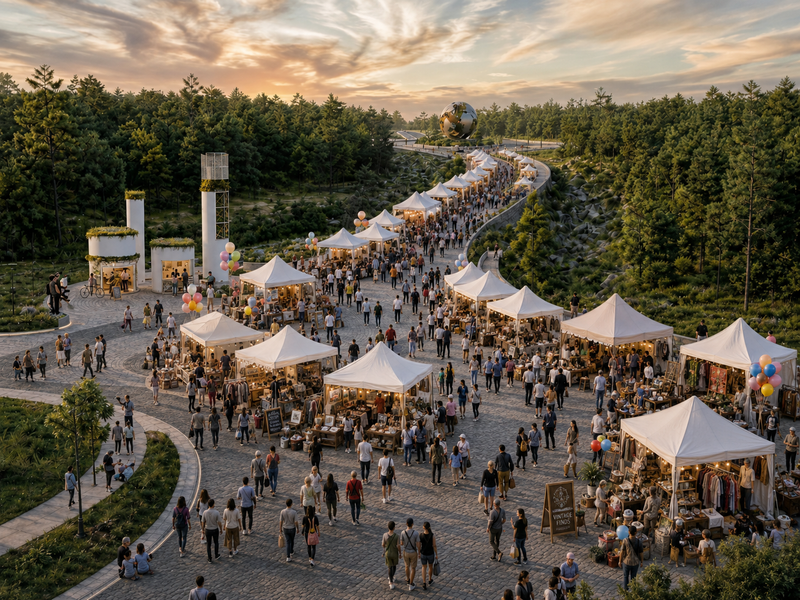
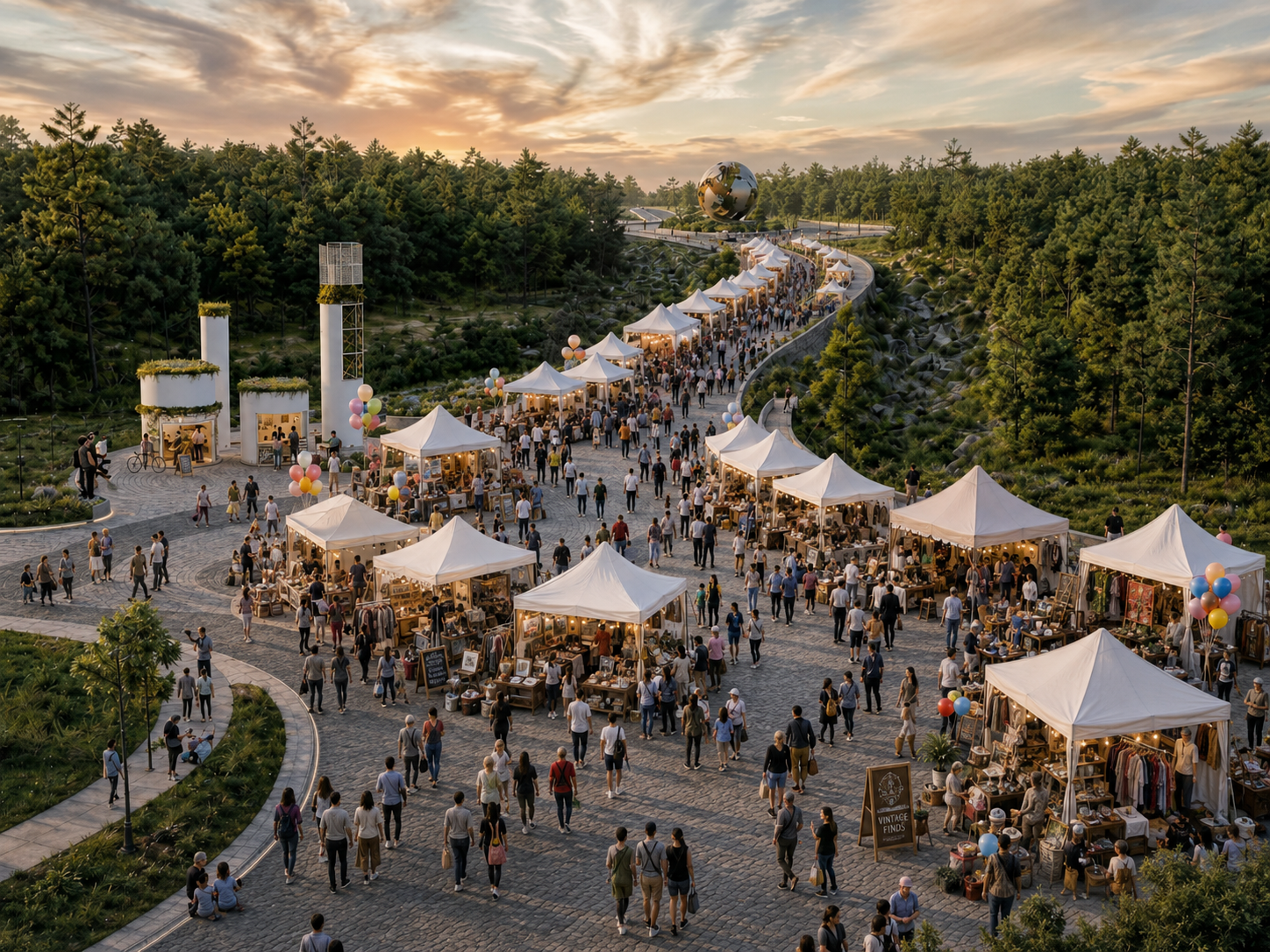
This concept explores how a typical urban roadside landscape can become more than a decorative green space. Instead of treating the site as a passive landscape buffer, the design introduces a living ecological landmark that supports bees, butterflies, birds, and people.
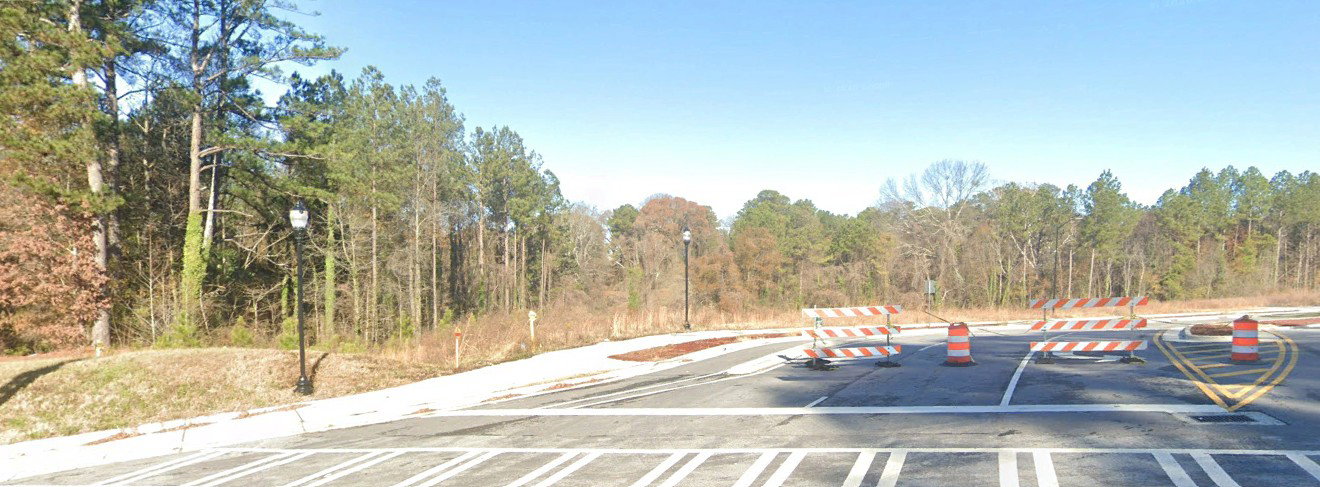 Existing conditions aerial image. Source: Google Earth; imagery © 2026 Airbus
The bee hotel becomes the symbolic and functional centerpiece of the project. Vertical habitat towers, flowering roof gardens, vine-covered structures, and planted circular forms create nesting and feeding opportunities for pollinators while also shaping a memorable public identity for the site.
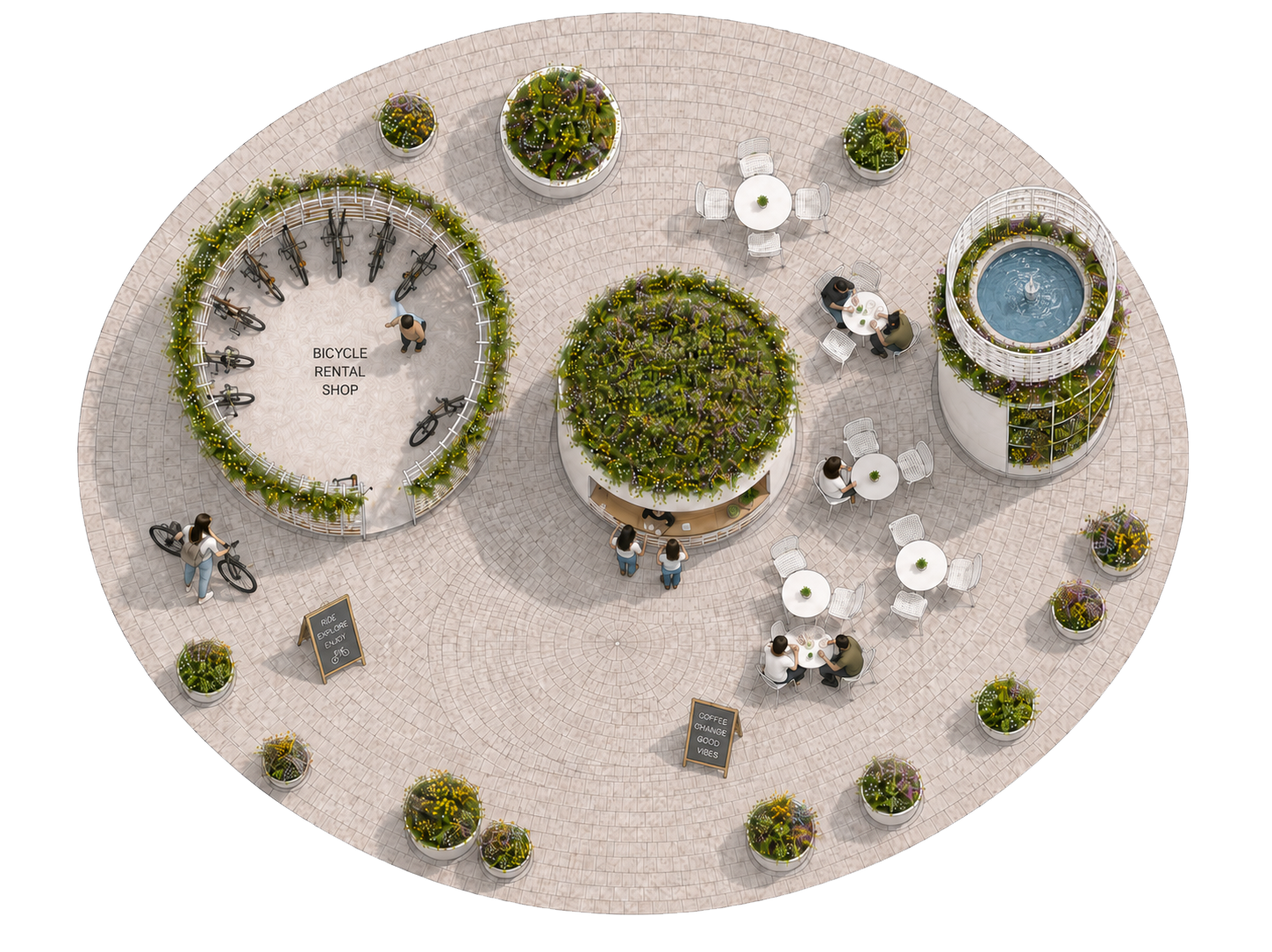
The project combines landscape architecture with creative placemaking. Visitors can rent bicycles, stop for coffee, gather in the plaza, observe pollinators, and learn about the importance of biodiversity in the city. The design turns environmental education into an everyday public experience.
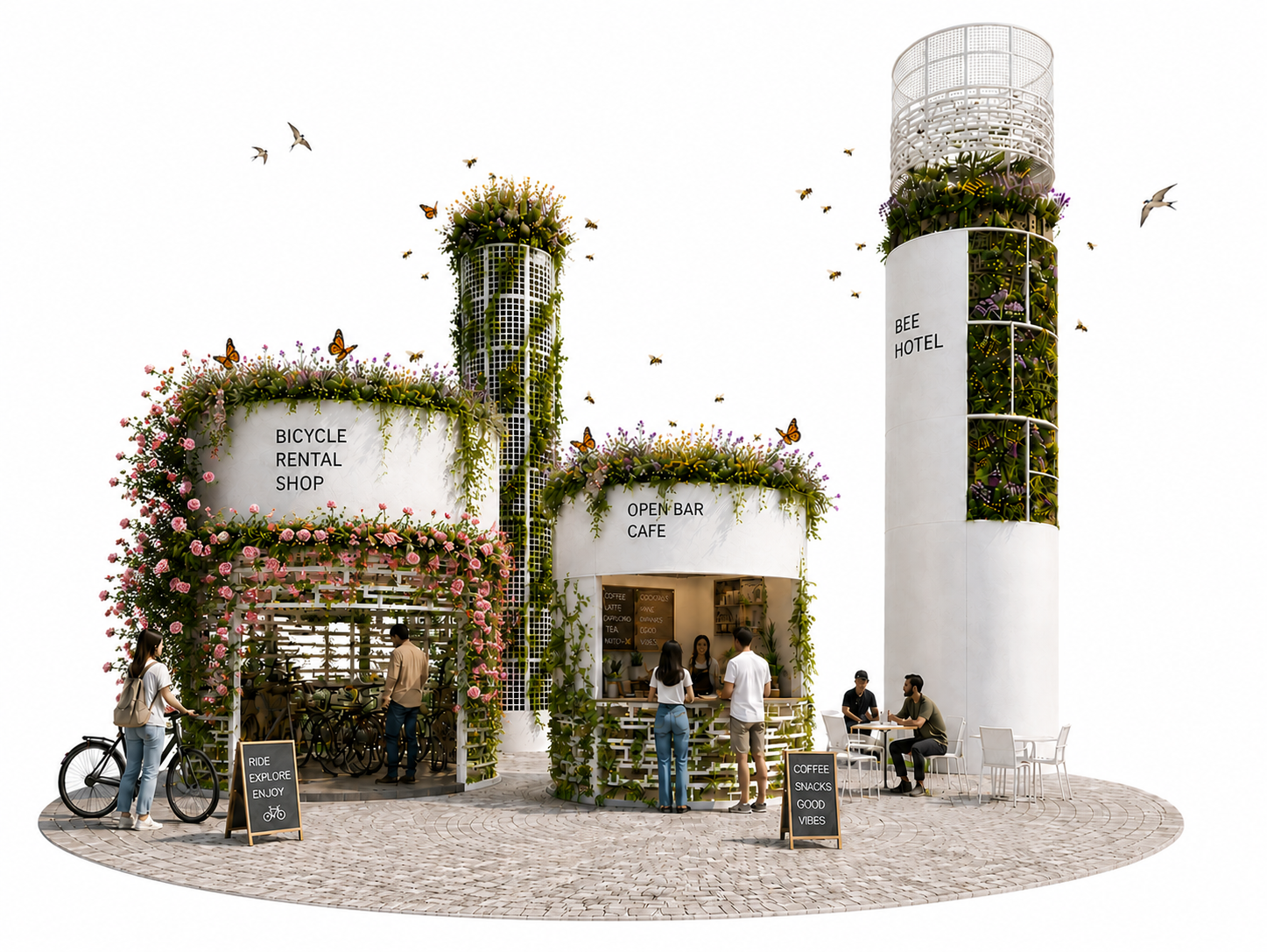
Bee Hotel Tower
A vertical habitat structure designed as a landmark for native bees and pollinators.
Pollinator Planting
Layered planting with flowering species that provide seasonal color, nectar, and habitat value.
Open Bar Café
A small café space that activates the plaza and encourages visitors to stay, meet, and enjoy the landscape.
Bicycle Rental Shop
A mobility-focused program that connects the project to trails, parks, neighborhoods, and sustainable transportation.
Habitat Plaza
A circular paved gathering space with planted edges, container gardens, and flexible seating.
Community Education
The site can support volunteer planting days, pollinator monitoring, school visits, and public workshops about bees and urban ecology.
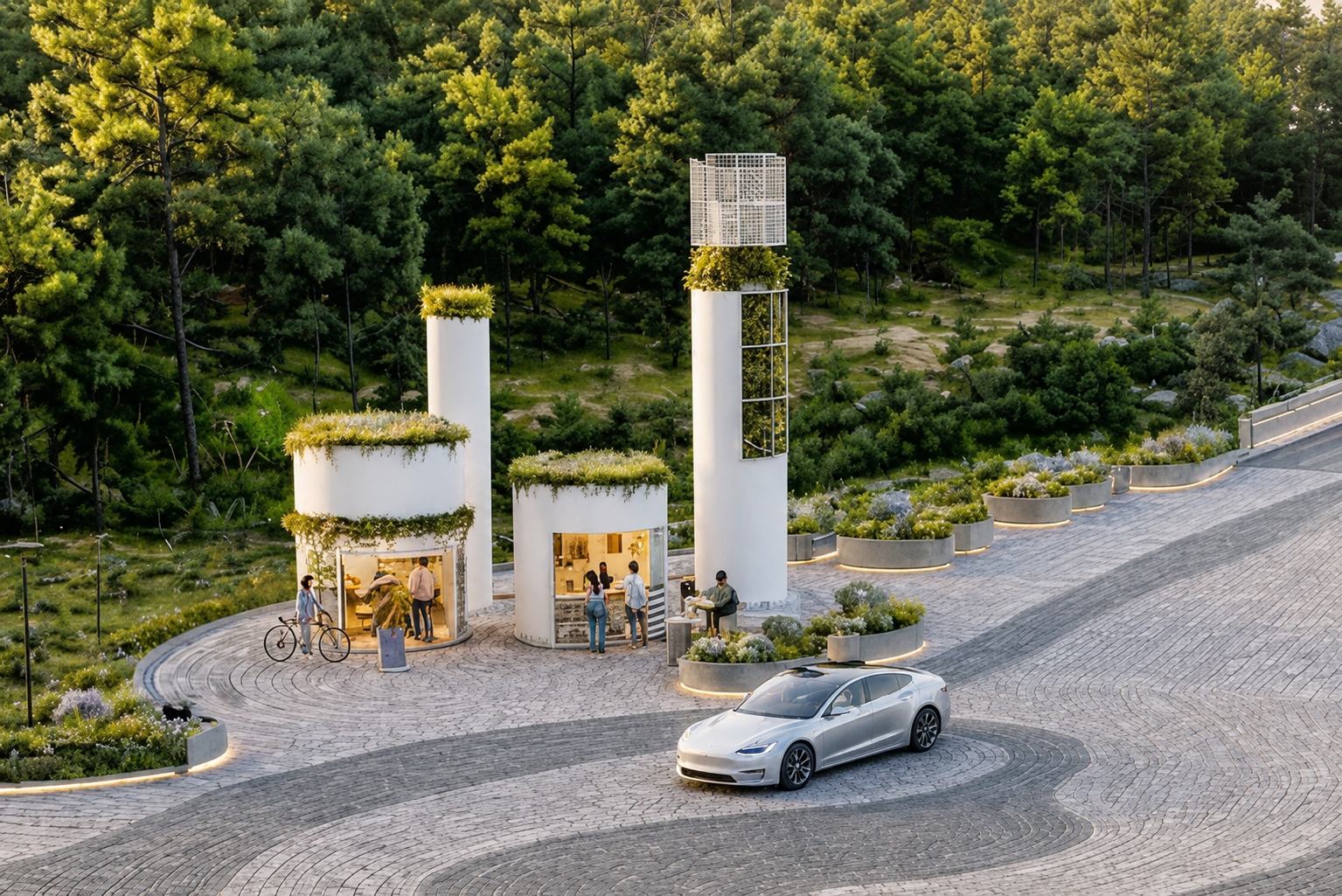
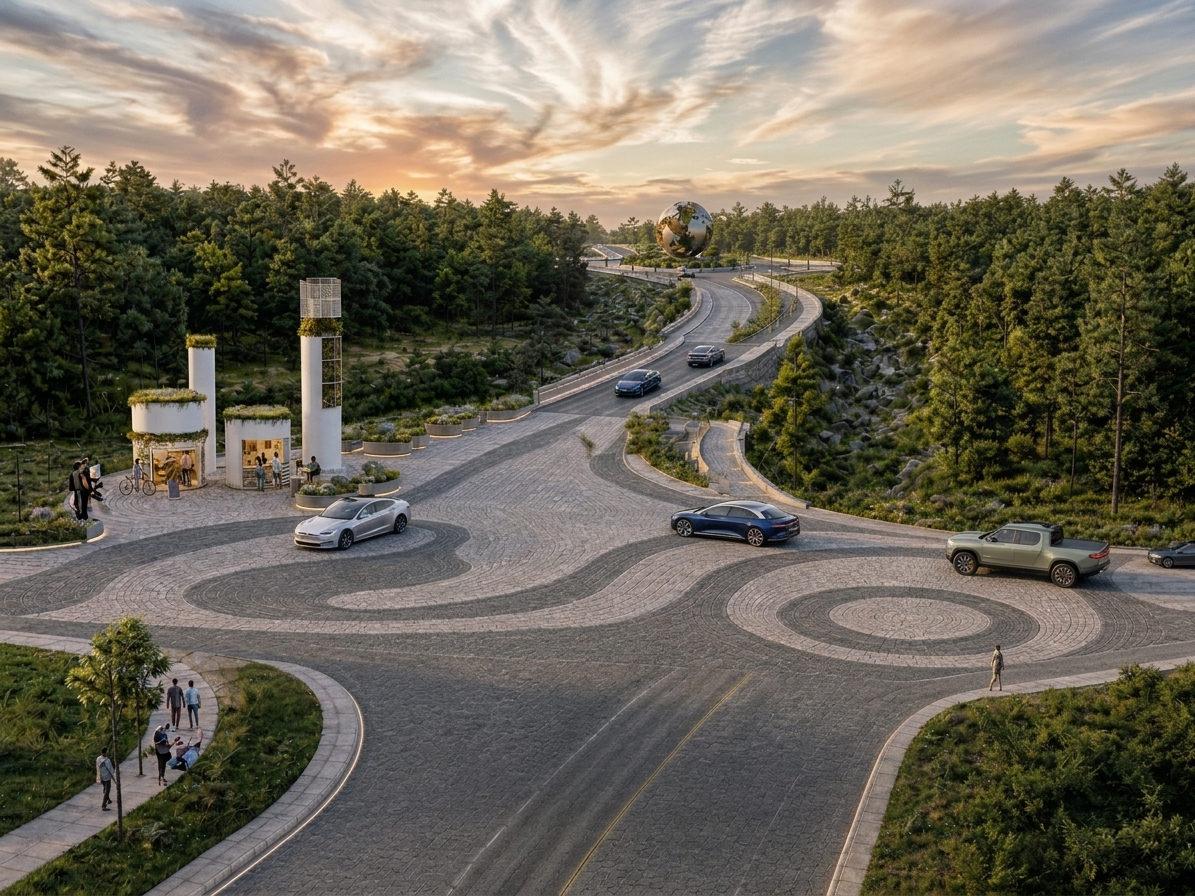
The project also suggests a new model for roadside and gateway landscapes. Instead of conventional ornamental planting, this proposal offers a productive, educational, and community-oriented landscape that can generate identity, activity, and environmental awareness.